













Ongoing tensions in the Middle East are casting a long shadow over international trade, with ripple effects being felt across maritime shipping, air cargo, and global supply networks.
From elevated insurance premiums to shifting transit routes, businesses that rely on the movement of goods across international borders are navigating a complex and evolving landscape.
Maritime Shipping: Navigating Heightened Risk
The Gulf region and surrounding waterways remain at the centre of growing concern.
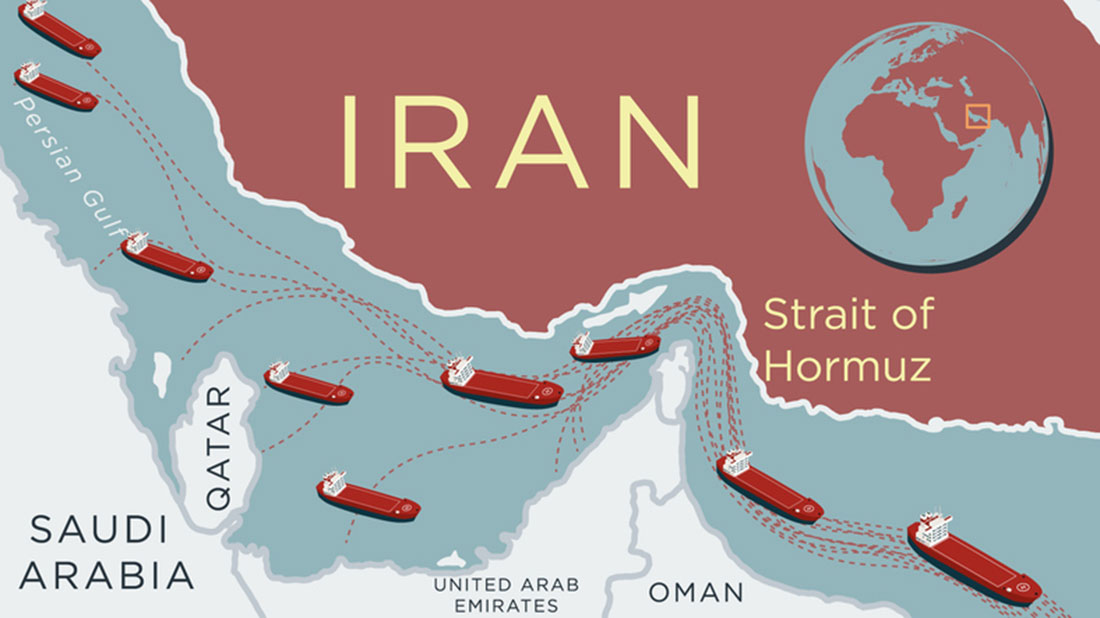
Key chokepoints, including the Strait of Hormuz, through which a significant share of the world’s oil and liquefied natural gas passes, have become focal points of risk assessment for vessel operators and their insurers. The potential for disruption to navigation in and around these strategic corridors has prompted a range of defensive responses from shipping lines.
Many carriers have implemented vessel diversions, suspended sailings on affected routes or halted transits through certain areas altogether. While these measures are prudent from a safety and liability perspective, they introduce meaningful delays and capacity constraints for cargo owners. Longer alternative routing means extended transit times, higher fuel consumption and tighter vessel availability.
War-risk insurance premiums have surged in response to the heightened threat environment, with additional surcharges being applied to shipments transiting the region. These costs are increasingly being passed along the supply chain, adding to already elevated freight rates on key trade lanes. Where traffic is diverted from affected zones, alternative hub ports, particularly in the wider Middle East and Southeast Asia, may experience increased congestion, further straining schedules and equipment availability.
Key consideration: Shippers with cargo moving through or near the Gulf region should work closely with their logistics partners to assess routing alternatives, review insurance coverage, and build additional lead time into supply chain planning.
Air Cargo: Longer Routes, Higher Costs
The impact on air freight has been equally pronounced. Airspace restrictions across several parts of the Middle East have forced carriers to implement significant network adjustments, rerouting flights along alternative corridors to avoid high-risk zones. These detours add flight hours, increase fuel burn and reduce the overall efficiency of air cargo operations.
As a result, transit times on affected lanes have lengthened and schedule reliability, already under strain from broader operational pressures, has become harder to guarantee. For time-sensitive shipments such as perishables, pharmaceuticals or high-value electronics, these disruptions have real commercial consequences. Capacity constraints may also emerge as carriers adjust fleet deployment to reflect the new operating environment, making early booking and proactive planning even more critical.
Broader Supply Chain Implications
Beyond the direct impact on transportation, the conflict has the potential to affect supply chains well beyond the region itself. Disruptions to the flow of energy, petrochemicals and industrial inputs, many of which originate in or transit through the Middle East, can have cascading effects across manufacturing, retail, and food systems worldwide. A shock to regional energy supply, for example, can influence production costs and raw material availability across a broad range of sectors.
Freight rate volatility is likely to persist as operators adapt to rapidly shifting conditions. Equipment imbalances may develop as containers and aircraft are redirected away from established corridors. Contractual performance, including adherence to agreed transit times and service standards, may come under pressure as carriers navigate uncertainty. Importers and exporters alike should be prepared for a degree of unpredictability in the near- to medium-term and should build contingency planning into their supply chain strategies.
Universal Logistics is actively monitoring developments and working with our carrier and partner network to identify the most reliable routing options for our clients. We encourage clients with shipments moving through affected regions to reach out to our team for guidance and support in navigating these challenges.
For more information, contact David Lychek, Director – Ocean & Air Services.