













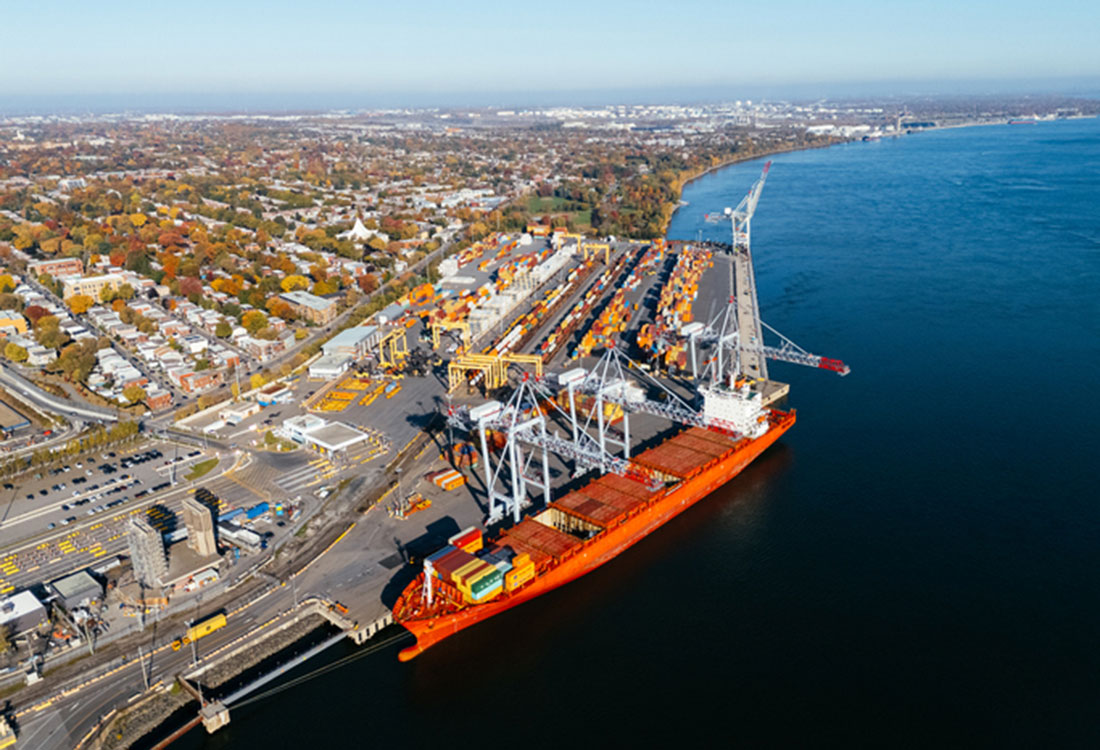
Canadian ports are seeing a noticeable shift in how marine shipments are being reviewed – and importers should be prepared for the operational impact.
The Canada Border Services Agency (CBSA) has increased enforcement activity at major marine terminals, resulting in higher container examination rates. For shippers relying on ocean freight to Canada, this has led to longer release times and a greater risk of unexpected delays.
What’s Driving the Change
CBSA’s heightened scrutiny is tied to a rise in identified risk factors, including tariff misclassification, country-of-origin concerns, undeclared goods, and potential contraband.
In response, officers are applying more rigorous screening measures and expanding the use of targeted examinations on inbound containers.
While these efforts are aimed at strengthening border controls, the downstream effects are being felt across supply chains – particularly in time-sensitive or lean-inventory operations.
What Importers Should Expect
When a container is selected for examination, delays of two to three weeks are increasingly common. These timelines reflect the depth of the review process rather than isolated administrative slowdowns.
Planning for a Tighter Environment
In today’s fluid trade environment, increased inspection activity is likely to remain a reality. Importers can reduce disruption by taking a more proactive and resilient approach to planning:
- Strengthen documentation – Ensure tariff classifications, origin details, and commercial invoices are consistently accurate.
- Communicate early – If a shipment is placed on hold, early engagement with your logistics and customs partners helps maintain visibility and momentum.
- Build buffer where possible – Modest increases in safety stock or lead time can help offset unpredictable release delays.
- Diversify routing strategies – Evaluating alternate carriers or ports can reduce reliance on a single lane or terminal.
The Universal Logistics Perspective
At Universal Logistics, we’re seeing firsthand how increased CBSA scrutiny is reshaping marine import timelines. While inspections are beyond shippers’ control, preparation and transparency can make a meaningful difference in minimizing downstream impact.
Our team continues to monitor enforcement trends closely and work with clients to plan around evolving border requirements – so delays don’t turn into larger disruptions.
For more information, contact David Lychek, Director – Ocean & Air Services.