











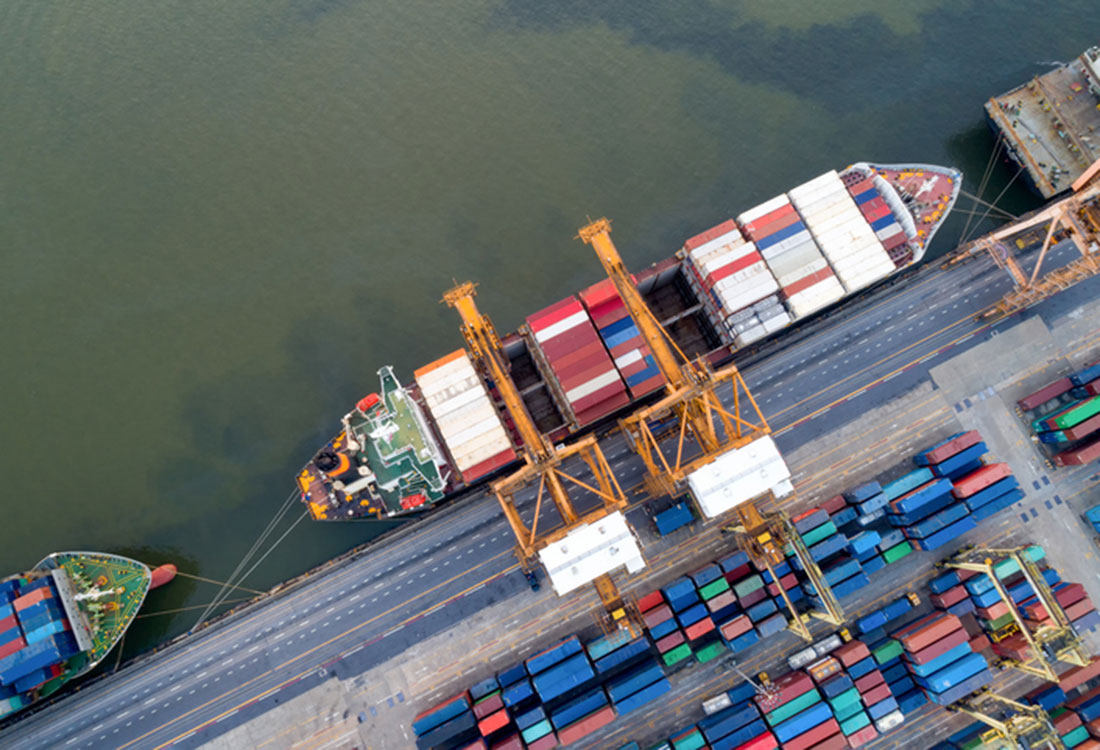
The global ocean freight market remains volatile heading into the final quarter of 2026, with effective vessel capacity constrained despite relatively moderate underlying demand growth. Port congestion, weather-related disruptions, canal restrictions, carrier capacity management and geopolitical uncertainty continue to affect rates and schedule reliability.
Asian Gateway Congestion Adds Schedule Pressure
A succession of typhoons affecting China since July has disrupted vessel schedules and port operations at major Asian gateways, including Shanghai and Ningbo. Vessel bunching, berth delays and operational backlogs have pushed the average delay for late vessels to approximately 6 days. Some carriers are rerouting vessels to avoid congestion, adding further time to transit schedules.
The timing is challenging as importers work to move cargo ahead of China’s National Day holiday, commonly known as Golden Week, which runs from October 1, 2026 through October 7, 2026. The compressed shipping window is coinciding with blank sailings and other carrier capacity-management measures designed to limit available space and support rate levels.
Panama Canal Capacity Remains Constrained
The Panama Canal remains an important constraint for Asia–North America East Coast and Gulf Coast services. In response to reduced precipitation and falling water levels in the canal watershed, the Panama Canal Authority has adjusted its transit reservation system and vessel allocation process, while draft restrictions and available transit capacity remain operational concerns.
Reduced daily transit capacity can increase waiting times for vessels without secured reservations. For East Coast importers, that can limit the number of vessels and container slots serving the trade, putting additional pressure on schedules and routing decisions.
A Cautious Return to the Suez Route
After avoiding the Suez Canal for an extended period because of security concerns, several major carriers are beginning to restore services through the Red Sea. If a larger share of Asia–Europe services returns to the Suez route, the change could eventually improve global effective capacity and shorten transit times.
The return remains cautious and dependent on the security environment. Geopolitical risk has not disappeared, and any deterioration in Red Sea security could quickly reverse the trend and force carriers to alter their networks again.
October Outlook Remains Unsettled
U.S. ocean import volumes are forecast to decline slightly in October, which could cause shipping rates to flatten or soften modestly through the month. Carriers are responding by actively implementing blank sailings to manage capacity and defend pricing ahead of fourth-quarter contract negotiations.
There is still potential for a minor rate increase in mid-October or early November if blank sailings during the extended holiday period reduce available capacity more sharply than expected. The broader expectation is that rates will trend downward once port congestion eases and operations return to more normal conditions.
For shippers, the priority will be maintaining flexibility. Monitoring carrier schedules, securing bookings early where possible and keeping alternative routings in view can help reduce the impact of further congestion, capacity reductions or geopolitical disruption.
For more information, contact Monserrat Vazquez, Manager – Freight Solutions or Irina Moskvitina, Team Leader – Freight Pricing.