













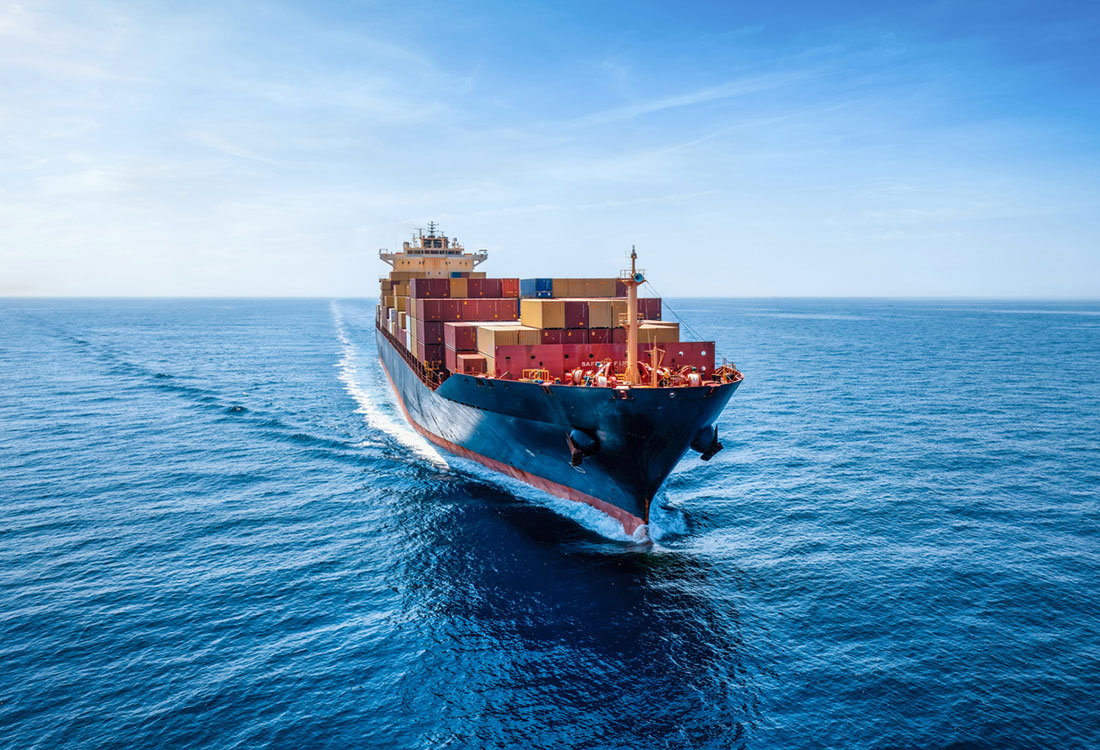
Global ocean freight capacity remains extremely tight across major trade lanes as early peak season demand, ongoing geopolitical disruptions, and carrier capacity management continue to strain available space.
Vessel utilization remains high, increasing the likelihood of rolled cargo and contributing to elevated spot market rates.
Many shippers have moved shipments forward, hoping to avoid expected higher fuel costs and space limitations, while others have held back orders, trying to mitigate both tariffs and rising shipping costs.
Current Market Conditions
Tight Capacity and Port Congestion
Global shipping capacity remains constrained, driven largely by ongoing vessel diversions around the Suez Canal. These re-routings can add 10 to 20 days to transit times and are contributing to congestion and transshipment bottlenecks at major global hubs.
Rising Freight Rates
Ocean carriers continue to implement General Rate Increases (GRIs) and additional surcharges across key trade lanes as demand outpaces available capacity. Spot rates remain elevated and are expected to stay under upward pressure in the near term. At the same time, with upwards of 20% of the world’s oil exports disrupted, fuel prices continue to escalate with no immediate end to the conflict in sight.
Recommendation
Given current market conditions, importers and exporters are strongly encouraged to book ocean freight several weeks in advance of their intended shipping dates. Early booking can help secure space, reduce the risk of cargo being rolled to a later vessel, and minimize potential supply chain disruptions. This is especially important as we head into the busy inventory restocking months of July and August.
Despite these ongoing disruptions, the global supply chain has remained remarkably resilient. However, if the conflict continues and shipping costs climb even higher, the inevitable result will be supply-driven inflation.
For more information, contact Monserrat Vazquez, Manager – Freight Solutions.